Featured

Marketing Implications: YouTube Premium

Despite all of the new alternatives that have come and gone through the years, Facebook had always remained my go-to social media platform. Full disclosure: I do visit Twitter, and Instagram just about daily, but primarily as a check-in, or to verify posts that I am made aware of elsewhere. Facebook was convenient for keeping in touch with people I know and have known. Twitter is where I follow entertainment and news media personalities, as well as brands I like and use. And Instagram is where I follow a combination of all of the above. However, once the Covid-19 pandemic began and I found myself at home more, I started spending a pretty healthy majority of my time on Youtube. In fact, YouTube is currently playing in the background as I type.

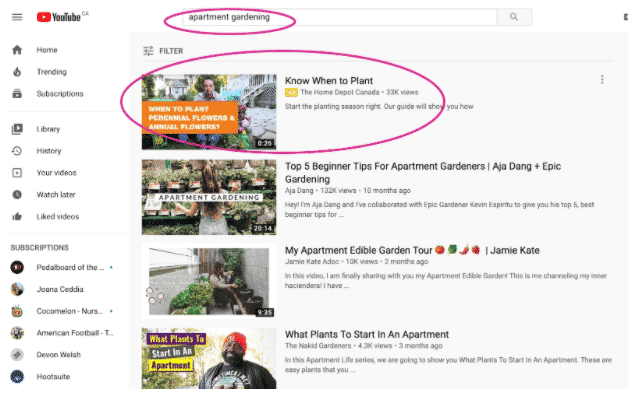
According to Paige Cooper at Hootsuite, YouTube’s Marketing Implications consist of 4 types of ads: 1) Skippable in-stream ads, where viewers can skip the ad after the first 5 seconds, 2) Non-skippable in-stream ads that viewers have to watch through with no option to skip. 3) Video discovery ads, 4) Non-video ads, such as banners and in-video overlays that float above video content (Cooper, 2020).
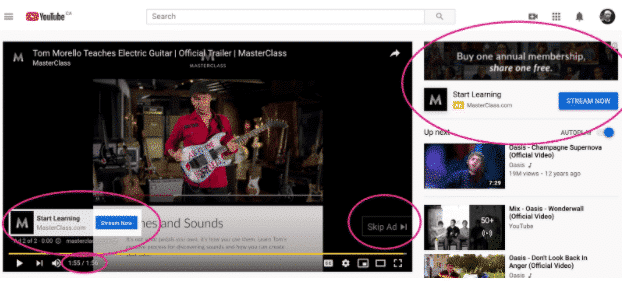
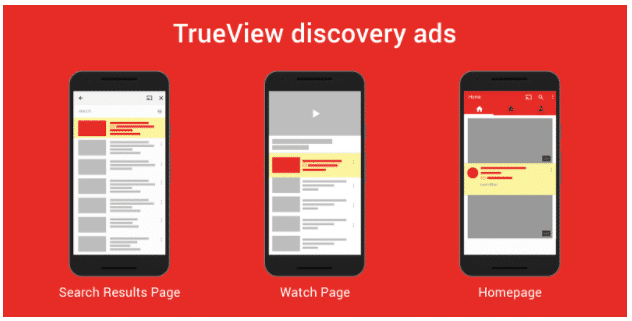
I had to look this up because, while I am familiar with all of the types of Marketing Implications they use, I have a YouTube Premium account, so I haven’t seen a YouTube ad in almost 5 years I watch Progressive news shows along with some mainstream News clips (CNN, MSNBC, FOX News). I have gotten into watching professional/extreme eaters because who doesn’t love watching a 110-pound woman eat 8lbs of Spicy Pho? I watch a lot of unboxing and review videos of tech products I rarely buy. And like most parents of 2 and 4-year-olds, TONS of Cocomelon and Surprise Eggs. What are Cocomelon and Surprise Eggs videos? Well… if you know, you know; if you don’t, you’re lucky. Essentially, Cocomelon is a cute animated series where a family sings nursery rhymes and catchy, earworm original songs, and Surprise Eggs videos are videos where adults cover plastic Easter eggs with playdough and hide toys in them and work to get the eggs open to reveal the toy surprise hidden inside. Yep. That’s it. But these kids LOVE them. So my account is all over the map. 

And that is kind of a shame because I would love to see what kind of targeted ads I would be getting. After further reflection, I realized that what I do get are the built-in ads and product placement within the videos that I do watch. The unboxing/review videos are essentially 5-20 minute advertisements for the very products they feature. The Surprise Egg videos are toy commercials for toys that I have ended up buying for my kids. I mean, they already have shown that they love the toys, so I’m basically a hero bringing them home. Even the professional eating videos serve as advertisements and reviews for the restaurant hosting the challenge. I watch The Young Turks, a progressive news channel that has always been primarily viewer and member supported through monthly subscriptions, but they also have a few advertisers. The catch is that they don’t want to be beholden to corporate interests, so they select advertising sponsors that share progressive values. My VPN subscription was expiring last November and I was planning to just renew it for 2021 when I saw a live read on TYT for PureVPN, a progressive VPN service that supports progressive causes. The fact that I was able to know that this business supports causes I support resonated with me and got me to head to their website via the embedded link on the TYT YouTube video and ended up buying a multiyear plan.

In all honesty, I didn’t even get YouTube Premium on purpose; My girlfriend and I wanted access to more songs on Google Music so we subscribed to Premium access to Google Music. It wasn’t until a couple of years later that I learned I had YouTube Premium. I had been hearing about how a lot of people were wanting to watch the YouTube original series Cobra Kai but didn’t want to subscribe to another service to get access to the show. I was confused because I binged the whole first season with no issues. It was then that I noticed the Premium logo at the top of the screen. Confused, I looked into my account and learned that by subscribing to Google Music, I was automatically upgraded to Premium. Sweet. 

I still hadn’t made the connection about the ad-free aspect of Premium. It wasn’t until last summer that my Mom was telling me about my Dad’s trouble getting to and staying asleep due to his advancing Parkinson’s symptoms. I recommended she get him headphones and have him listen to binaural beats in order to get to sleep. I had been listening to binaural beats and they had been a lifesaver for me. Binaural beats are different frequency tones played into each ear in such a way and pattern that they drag your mind down into REM and deep sleep and then back up to awake. I know, it sounds weird, but I’m telling you, it has been a miracle for me. Anyway, I send Mom the link to the eight hour session on YouTube and tell her to cue it up past the introduction, put the headphones on him at bedtime, turn it up about 80% and he should be out right away, and left it at that. A week or so later I call to check on them and ask how the binaural beats had worked for him and Mom says, “Oh, I stopped doing that. He didn’t like it.” 

“Why?” 

“Well, I set it up like you said. I turned it up and put him to bed. He was out like, immediately.”

“Ok?”

“About five minutes later, he wakes up all freaked out and screaming.”

“What happened?” I’m so confused at this point.

“He fell asleep and then the stupid ads started playing super loud!”

Ay, ay, ay… I had totally forgotten about ads! I had been living this Premium life over here, and didn’t even consider that civilians live with constantly being interrupted by annoying ads. And in this case, Dad went from being in a deep, Zen sleep in The Sunken Place, to be abruptly jolted awake by a blaring GoodRx ad! Poor guy.  This was Dad’s first and last foray into binaural beats.

Resources

Cooper, P. (2020, June 11). The Complete Guide to YouTube Ads for Marketers. Retrieved from Hootsuite.com: https://blog.hootsuite.com/youtube-advertising/


Pinterest is Better Than Twitter for Business Marketing… Wait. What?

I’m not gonna lie. If you would have asked me a couple of weeks ago, “Which is better for business: Twitter or Pinterest?” I would have immediately blurted out Twitter. You know those automatic responses, like when people ask, “Paper or plastic?or “Is Die Hard a Christmas movie?” or “Who’s the best Bond?” An answer just popped in there like “The Stay Puft Marshmallow Man” popped into Ray’s head at the end of Ghostbusters. Everybody knows Twitter. Right? Prior to looking at the numbers, I would have guessed that Twitter has close to the same amount of users as Facebook, when in fact they have nowhere close to the same amount of users. According to Jenn Chen at Sprout Social, 69% of American adults are on Facebook, whereas only 22% use Twitter (Chen, 2020).

Mind… BLOWN

Gene Marks with Inc.com points to a 2019 Pew Research survey that found that the median Twitter only tweets twice a month, and that only 10% of all Twitter users make up 80% of all Tweets (Marks, 2019), meaning that most users on Twitter are rarely engaged on Twitter. Ms Chen appears to back this up; the data she presented finds that 58% of Twitter users check in less than once per day, and only 25% check it more than once per day (Chen, 2020). This is all a bit surprising to say the least, but I was equally shocked to learn that 28% of American adults are on Pinterest, making it the third largest social media platform in America (fourth if we’re counting YouTube). Most interesting to me was that their active user base grew 26% from the previous year (Sehl, 2020). And here I was, always joking that Pinterest looked like nothing more than online hoarding for bored women.

Pinterest. Hoarding Gone Digital?

Bearing all of these numbers in mind, its safe to say that I am leaning Pinterest’s direction at this point. So, what are some of the reasons that could account for this growth, and what makes it the better platform for businesses? Well, for starters, as Luis Sanchez points out, Pinterest users “have more commercial intent” than Twitter users (Sanchez, 2021). Pinterest users scroll through and gather vibrant images and information on products and services that they intend to, while Twitter is a “text-driven platform where the primary case is for users to have conversations with each other or discover information.” The conversations cover a wide variety of topics that can sometimes cover products, but more often not. Sanchez also feels that Pinterest has stayed a “brand-safe” platform to advertise because, while Twitter and Facebook have been in the news for the topics of bullying, censoring, and/or spreading misinformation, Pinterest has steered clear since Pinterest revolves around images rather than conversations, particularly politics and news.

Another pleasant surprise for me was learning that Pinterest has robust analytics metrics for tracking performance. They track Impressions: The number of times Pins or Ads were on screen. Engagements: Saves, Pin-clicks, and carousel card swipes. Pin clicks and Pin click rate: Number of clicks on your Pin. Outbound clicks and Outbound click rate: Clicks on links that lead to webpage, or other off-Pinterest location. Video views and Saves: Amount of at least 2 second views with 50% of video in view. Average video play time, Total video play time, Played at 95% of length, and 10-second views. Total audience, Total engaged audience, Monthly total audience, and Monthly views (Review Pinterest Analytics, 2021). In addition to all of these metrics, and you can apply a wide variety of filters from sorting Organic content , paid content, device used to view content, and format.

Having such a wide array of filters and metrics allows businesses to better see what is and what isn’t working for them. For example, if certain types or styles of content resonates and gets good engagements, they can decide to make more of that content. All of this leads to more effective and productive marketing for businesses, and leaves me confident in stating that Pinterest is better for businesses than Twitter. Oh, and the correct answers to my questions at the beginning: The Best Bond is Daniel Craig (sorry Sean Connery), Die Hard is absolutely a Christmas movie, and the correct answer when asked “Paper or Plastic?” is, “{sigh} Neither… I left my 87 bags in the trunk out in the lot…”

References

Chen, J. (2020, August 04). Social Media Demographics to Inform Your Brand’s Strategy in 2020. Retrieved from SproutSocial.com: https://sproutsocial.com/insights/new-social-media-demographics/

Marks, G. (2019, May 02). Why Twitter Is An Awful Place For Your BusinessTrust Me, Your Customers Aren’t There. Retrieved from Inc.com: https://www.inc.com/gene-marks/why-twitter-is-an-awful-place-for-your-business.html

Review Pinterest Analytics. (2021). Retrieved from Pinterest.com: https://help.pinterest.com/en/business/article/pinterest-analytics

Sanchez, L. (2021, January 09). 3 Reasons Why Pinterest Is a Better Advertising Platform Than Twitter. Retrieved from Fool.com (The Motley Fool): https://www.fool.com/investing/2021/01/09/reasons-why-pinterest-better-ad-platform-twitter/

Sehl, K. (2020, March 02). 28 Pinterest Statistics Marketers Should Know in 2020. Retrieved from Hootsuite.com: https://blog.hootsuite.com/pinterest-statistics-for-business/

Role of Social Media: Instagram

Growing up, my Aunt Yoli would always say, “Mijo, you don’t even watch the shows, you just watch the commercials!” I lived for the commercials. I didn’t care about Murder She Wrote, I couldn’t wait for the San Diego Zoo commercial and the the “Where’s the Beef?” lady. What can I say…

Clara Peller delivers her iconic line in classic Wendy’s commercial 1984.

Kids are dumb.

Nobody likes commercials. At least not once we grow up. We hate being sold. We simply tolerate commercials as a sort of necessary evil. Until we see that commercial for the new Samsung Galaxy S21 5G. Then we’re all ears. Like most things we hate commercials until they serve our interest. Then we’re all ears. Traditional Mass Media marketing had the unfortunate task of going out to everyone with eyes and ears… once. Hopefully somebody was into it. But Social Media affords advertisers and marketers a platform to not only reach millions of eyes, but to lay in wait, so to speak, until they come around to view your message… And the audience basically asks you to sell to them. That sounded almost creepy, allow me to elaborate.

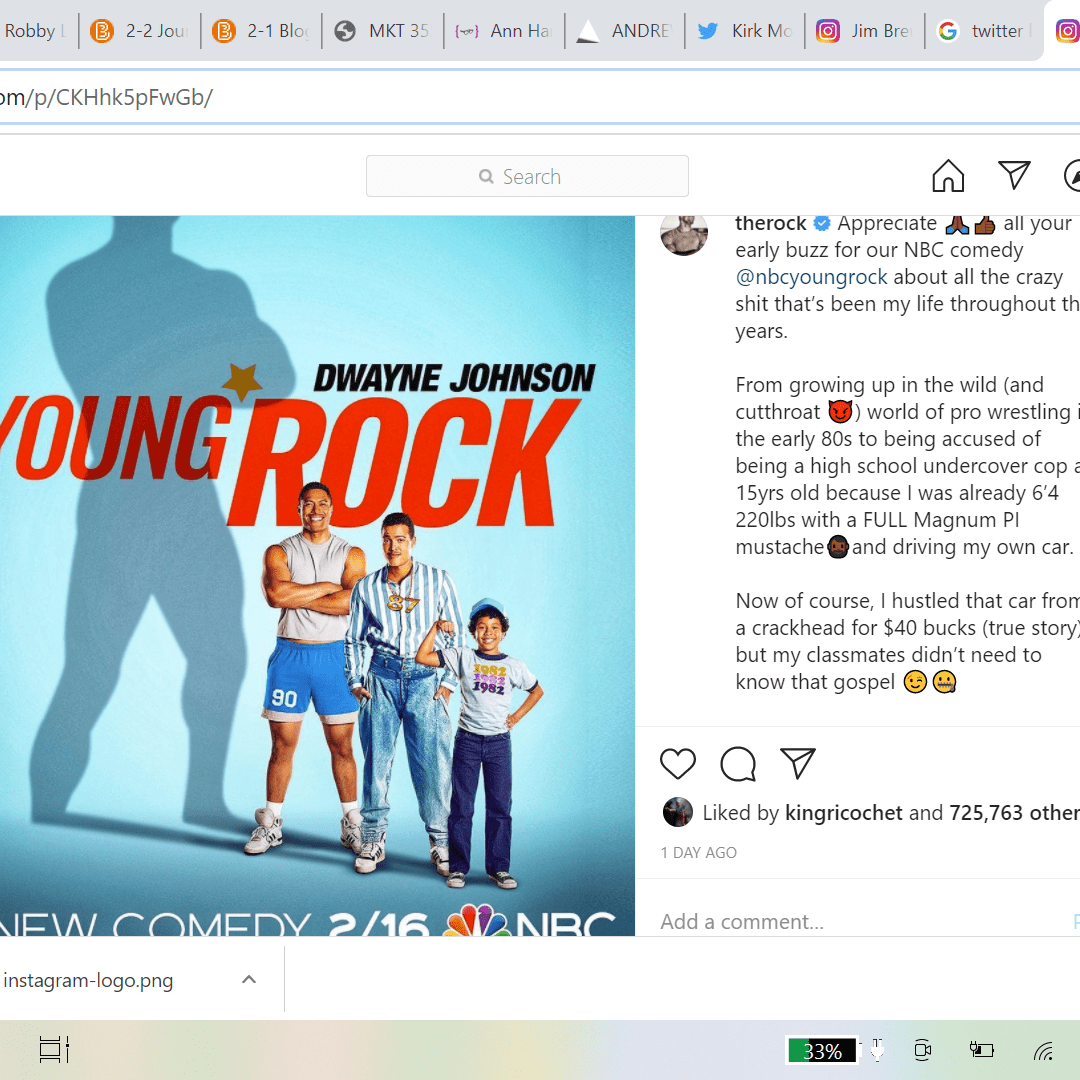
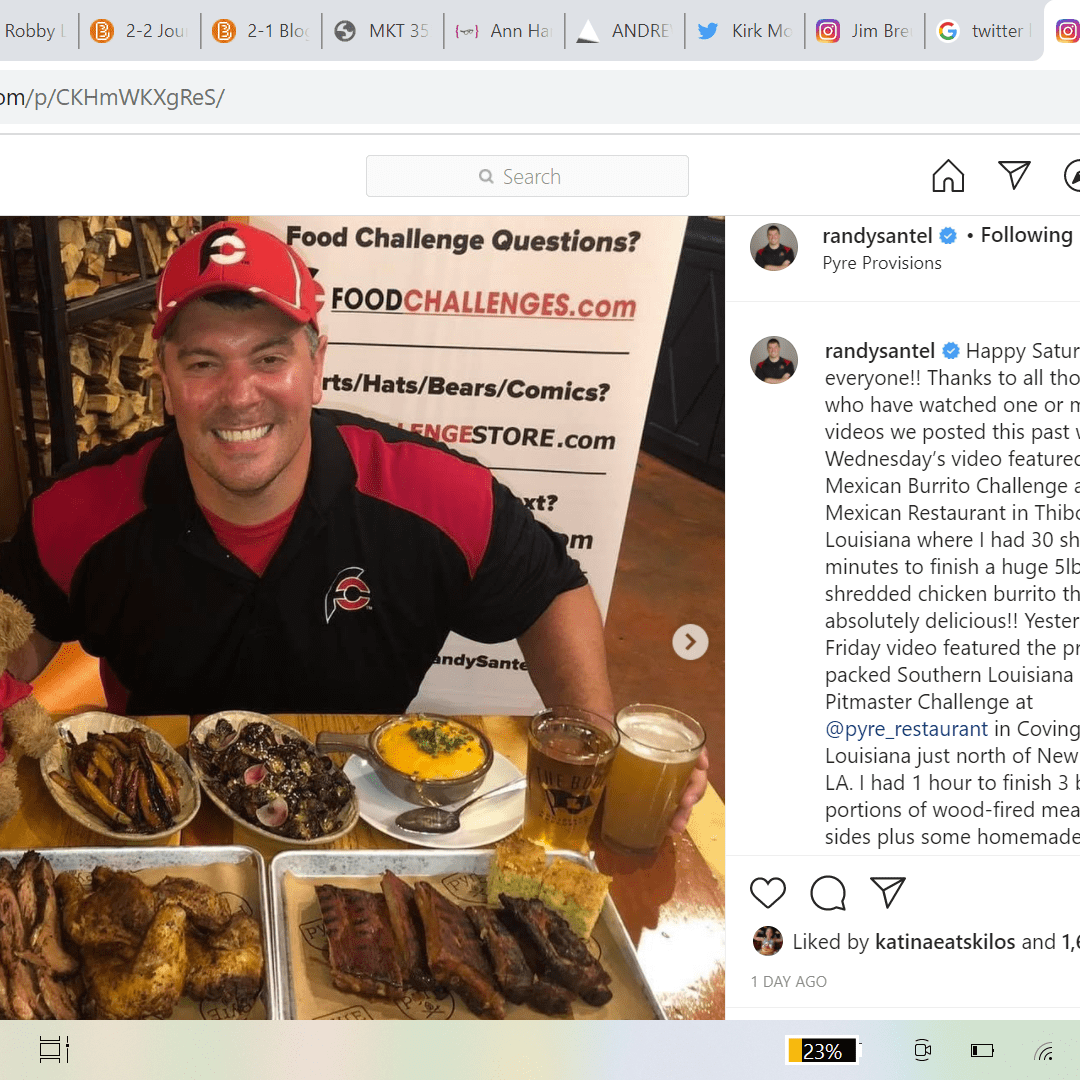
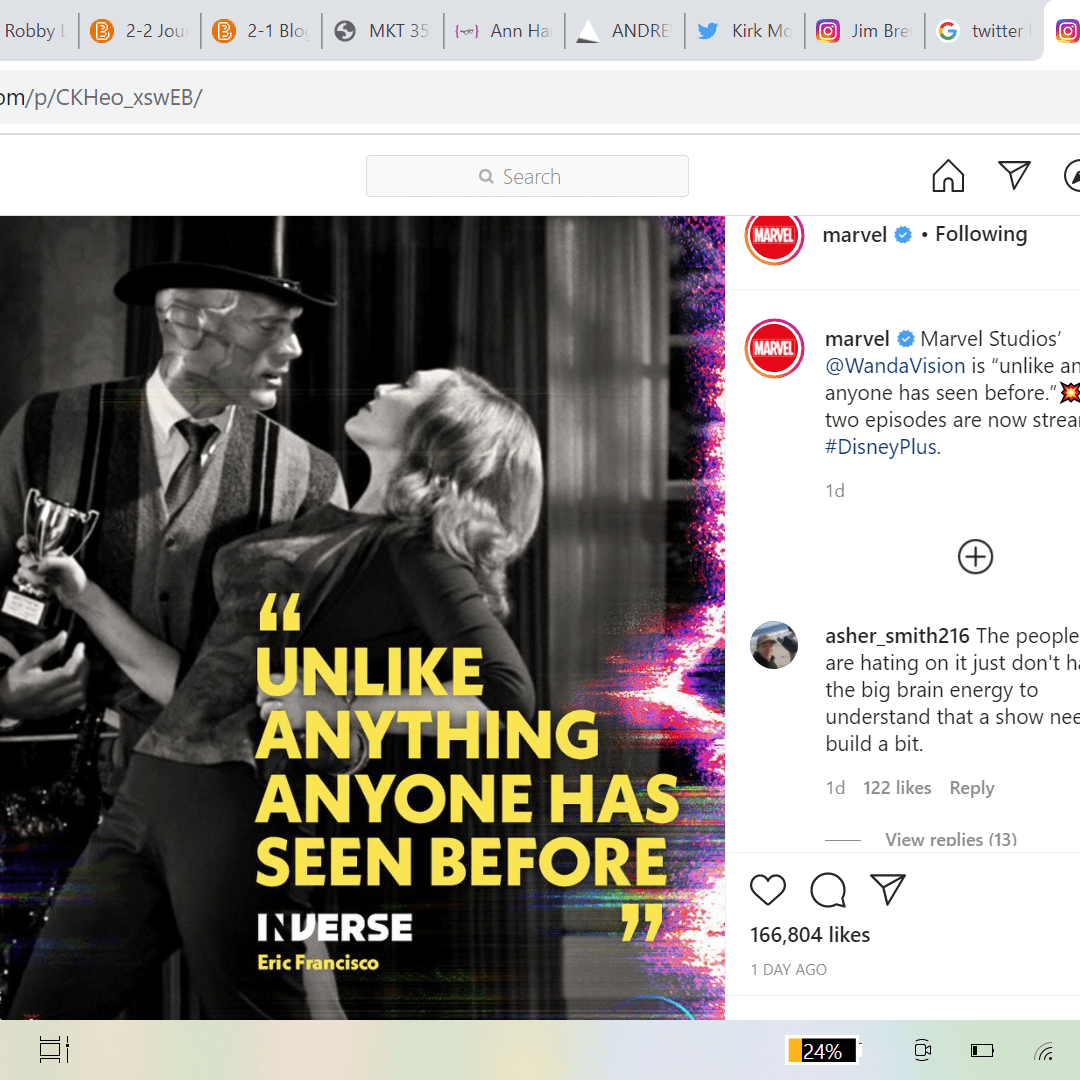
Take Instagram, for example. Users choose people, brands, and organizations to follow. We curate our own little ecosystem of what we like and unwittingly invite these brands to promote and sell their brands, projects, products and services in order to more accurately and effectively sell to us. In my personal experience, the marketing I see in the form of promoted ads is few and far between. But every athlete, team, celebrity, and brand I follow shares promotional content about what they have going on. The Rock promotes his new autobiographical show, Comedian Sherrod Small promotes an upcoming show, Guy Fieri promotes his new cooking show, competitive eater, Randy Santel promotes a BBQ Food Challenge he’s posting on YouTube, Marvel Studios promotes their new show on Disney+, and a local taco shop promotes their burritos. These are personalities and brands I enjoy and will most likely end up watching and supporting and I don’t get upset or feel bamboozled that they’re selling to me. It is part of the deal. Part of the social (media) contract, as it were. It is how they promote their brand and get us to support their endeavors.

Then there are times when personalities and brands post seemingly benign photos and videos that seem more personal and light… agenda-free.

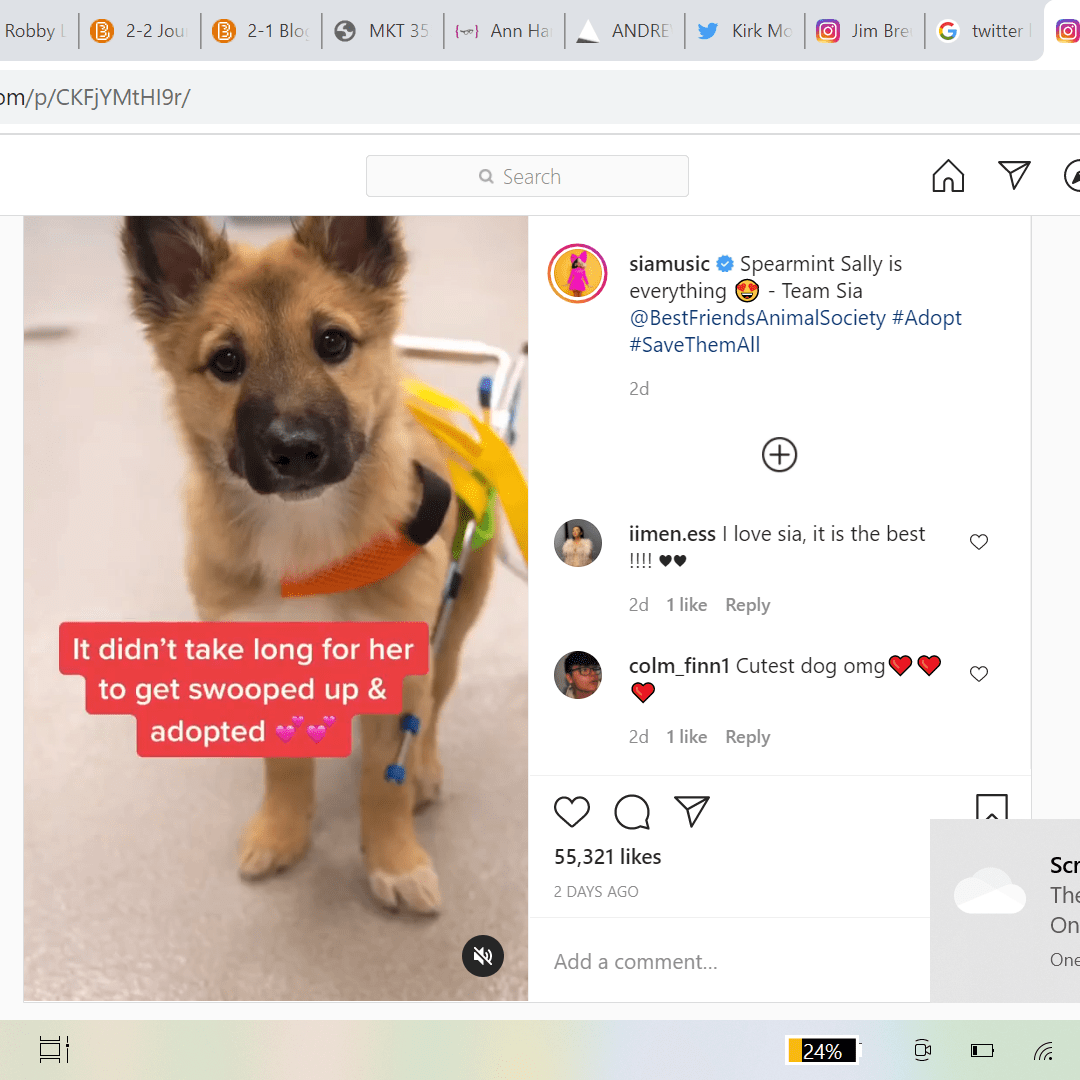
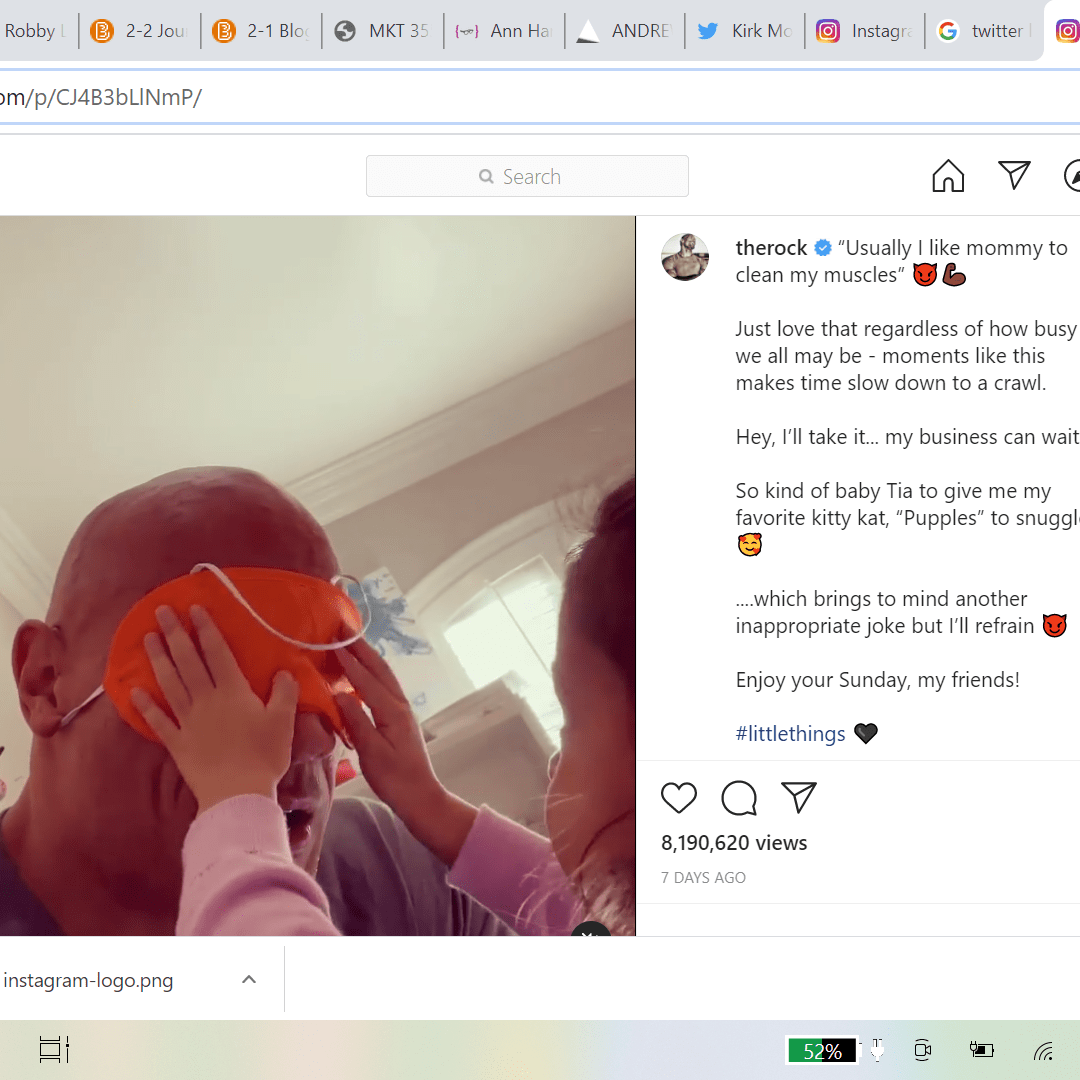
Other times, personalities we follow will post seemingly benign personal pictures and videos: Joe Rogan shares fan art painting of him and an alien, pop star Sia shares video of a paralyzed dog who’s life changes when she gets wheels to get around, and the Rock shares an adorable video of him playing with his tiny daughter. Some of these may seem to be candid photos to the untrained eye, but they are actually ads. Sia’s is actually a promo for a dog rescue. Joe Rogan seems to be genuinely sharing fanart with fans, and the Rock is sharing a sweet moment. I bring these all up together because whether they’re promoting something or not in the picture or video, they are doing so in an authentic way that is also on-brand. These lead us to feel a connection with them as people and serves to butter us up in a way, so that when they do promote something they have going on, we almost welcome it and are more receptive to whatever they’re selling.

I have supported all of the brands I’ve mentioned above, with the exception of Randy Santel, for years, long before I ever had an Instagram account. But if I’m being honest, their social media presence has created what seems like a personal connection and has strengthened my support for their brands to some extent.

What a sucker, I am!

Introduce Yourself (Example Post)

This is an example post, originally published as part of Blogging University. Enroll in one of our ten programs, and start your blog right.

You’re going to publish a post today. Don’t worry about how your blog looks. Don’t worry if you haven’t given it a name yet, or you’re feeling overwhelmed. Just click the “New Post” button, and tell us why you’re here.

Why do this?

  • Because it gives new readers context. What are you about? Why should they read your blog?
  • Because it will help you focus your own ideas about your blog and what you’d like to do with it.

The post can be short or long, a personal intro to your life or a bloggy mission statement, a manifesto for the future or a simple outline of your the types of things you hope to publish.

To help you get started, here are a few questions:

  • Why are you blogging publicly, rather than keeping a personal journal?
  • What topics do you think you’ll write about?
  • Who would you love to connect with via your blog?
  • If you blog successfully throughout the next year, what would you hope to have accomplished?

You’re not locked into any of this; one of the wonderful things about blogs is how they constantly evolve as we learn, grow, and interact with one another — but it’s good to know where and why you started, and articulating your goals may just give you a few other post ideas.

Can’t think how to get started? Just write the first thing that pops into your head. Anne Lamott, author of a book on writing we love, says that you need to give yourself permission to write a “crappy first draft”. Anne makes a great point — just start writing, and worry about editing it later.

When you’re ready to publish, give your post three to five tags that describe your blog’s focus — writing, photography, fiction, parenting, food, cars, movies, sports, whatever. These tags will help others who care about your topics find you in the Reader. Make sure one of the tags is “zerotohero,” so other new bloggers can find you, too.